Renovations Without Guesswork

What’s Included, From First Sketch to Final Wipe-Down

Reading the Numbers Like a Pro
Line Items That Actually Mean Something
Insist that items correspond to identifiable tasks: framing, electrical rough-in, waterproofing membrane, shower glass install, appliance hookups, and final paint. Each should include quantity and unit pricing where possible. Meaningful names cut ambiguity and make change discussions fair. If you can’t quickly match a line to work on-site, ask for a rewrite. Clear names today prevent arguments tomorrow and make budgeting conversations stress-free.
Allowances vs. Fixed Selections
Allowances offer flexibility but hide risk when set too low. A fixed selection schedule locks in look, cost, and lead times. Many homeowners prefer a hybrid: fixed on critical-path items, allowances on decorative choices. Whichever route you choose, verify that tax, freight, and handling are included. Request examples that reflect your taste, and track any variance immediately so totals stay honest and predictable from week to week.
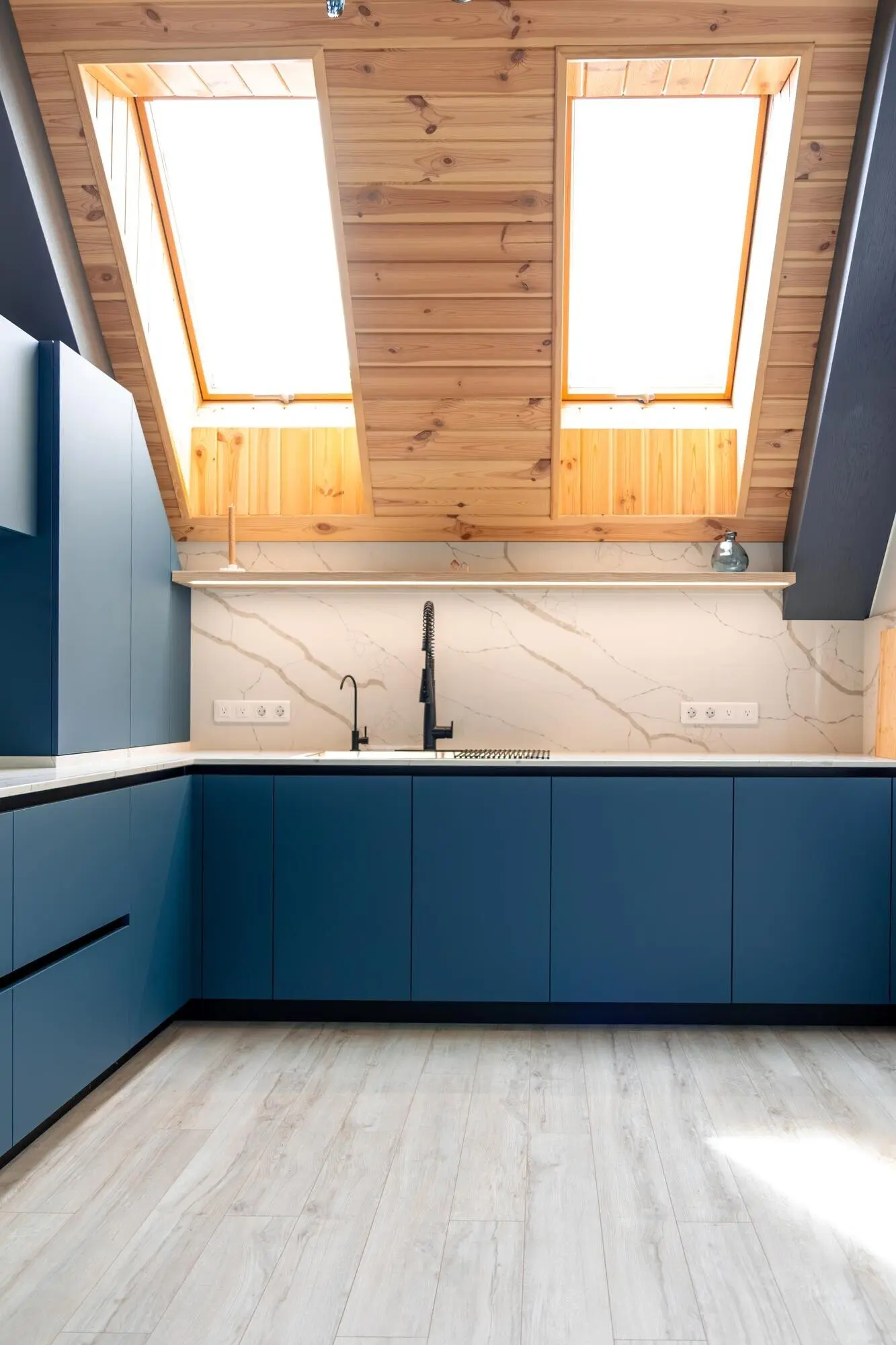
Design That Unites Cooking and Comfort
Layouts That Respect Real Life
Cohesive Finishes Across Spaces
Lighting That Works All Day
Materials That Earn Their Keep
01
Cabinetry and Storage Choices
Plywood boxes, soft-close hardware, and durable finishes matter more than decorative doors alone. Explore full-access frames for space gains, and integrate organizers where chaos begins: spices, pans, cleaning supplies, and hair tools. Verify hinge cycles and drawer load ratings. Ask to see a cutaway sample showing edge banding and corner joinery. Smart storage multiplies square footage psychologically, reducing daily friction and letting countertops breathe free of visual clutter.
02
Surfaces Built for Spills and Steam
Countertops and tiles must survive boiling pots and shampoo splashes. Compare quartz, porcelain, natural stone, and solid surface for porosity, heat resistance, maintenance, and availability. In wet zones, prioritize waterproofing systems with documented test data. Specify grout type carefully; epoxy or urethane can save hours of scrubbing later. Request mockups with real grout joints, edge profiles, and trim pieces so transitions look intentional and feel easy to clean.
03
Plumbing Fixtures That Perform
Great fixtures balance water efficiency, pressure, ergonomics, and serviceability. Check valve quality, cartridge availability, and finish durability ratings. In showers, match heads to your water heater’s output to avoid lukewarm letdowns. Kitchen faucets need reach and precise control over spray. Ask for manufacturer cut sheets and exploded diagrams for confidence. If you love a finish, confirm lead times early to dodge substitutions that complicate your carefully built palette.
Timelines, Dependencies, and Calm in the Chaos
Week-by-Week Milestones You Can Trust
Your calendar should show milestones with measurable outcomes: rough plumbing complete, tile ready for grout, cabinets set, templates taken, stone installed, punch list opened, and closed. Each checkpoint triggers the next purchase or inspection. If a shipment slips, a contingency plan activates automatically. Aim for transparency over optimism. Invite your builder to a fifteen-minute Friday call so issues surface early, and celebrate small wins to keep momentum strong.
Risk Management Done Upfront
Open ceilings and old plumbing hide secrets. A good package budgets a contingency, includes moisture and lead testing when relevant, and documents acceptable tolerances for walls and floors. Pre-order long-lead items and store locally if needed. Photograph existing conditions thoroughly before work begins. Share pet schedules, elevator access limits, and HOA rules. Proactive notes here convert potential crises into small adjustments that barely ripple your timeline or mood.
Financing, Value, and the Long Game
All Rights Reserved.